
By Jenna Nicholas, Guest Contributor
When people hear the word abundance, they often think of wealth.
They imagine financial success, material prosperity, or the achievement of ambitious goals. In business, abundance is frequently measured by growth curves, market share, valuation, or profit margins.
But over the years, I have come to see abundance differently.
True abundance is not defined by what we accumulate. It is defined by what we create, what we share, and how we contribute to the flourishing of others.
Abundance without integrity is not abundance at all.
In a world where inequality continues to widen and where many people feel increasingly disconnected from institutions, leadership, and one another, we are being called to rethink our relationship with wealth, power, and success. The question is not simply how much value we create. It is how that value is created, who benefits from it, and whether our actions strengthen or weaken the fabric of our communities.
For me, abundance is inseparable from service.
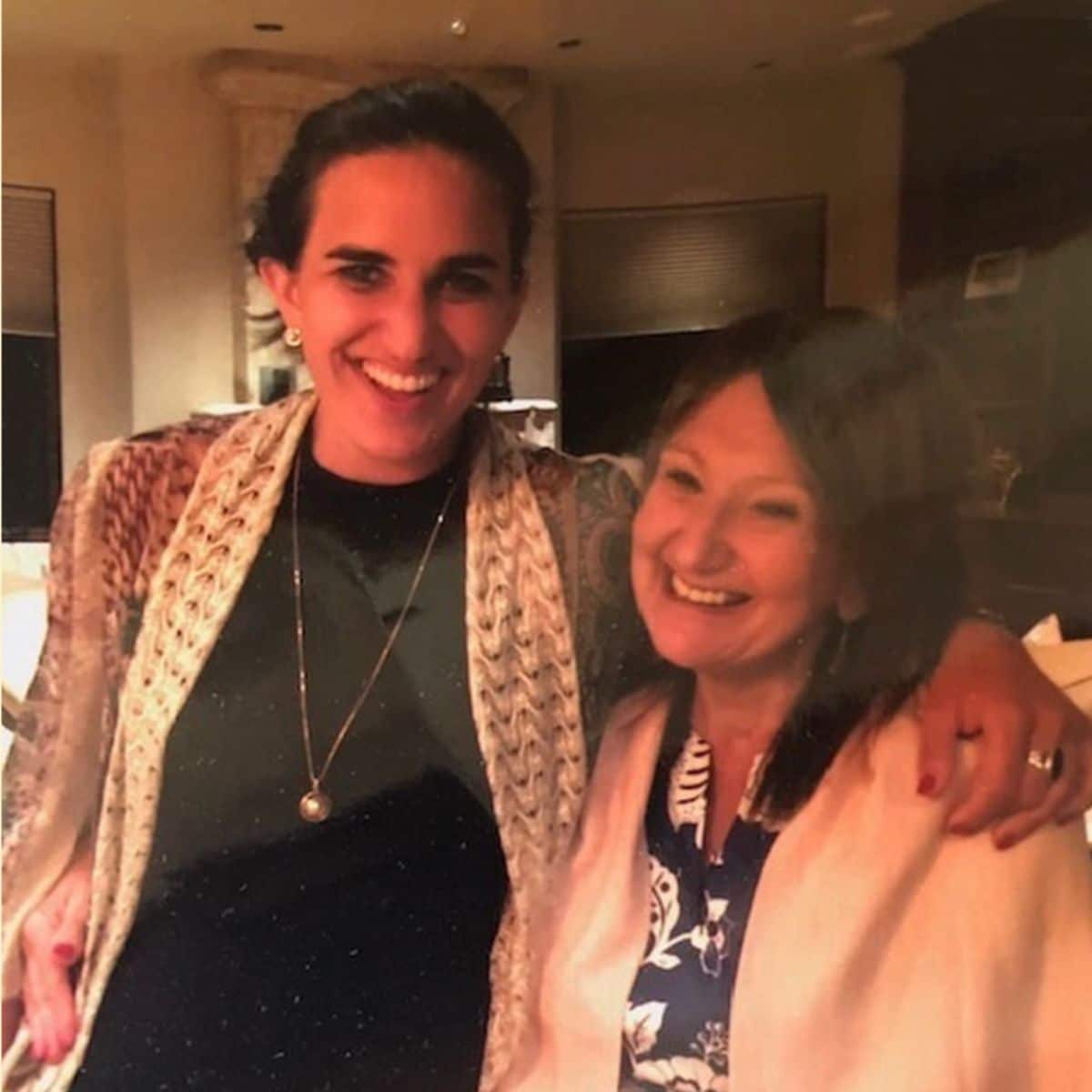
My mother once described me as being “ambitious to serve the world.” Those words have stayed with me because they challenged me to think differently about ambition itself. What if our greatest aspiration wasn’t personal advancement, but meaningful contribution? What if success was measured not only by what we achieve, but by the impact we have on the lives of others?
This perspective has shaped my work in impact investing and has influenced how I think about leadership.
An abundance mindset shifts us from scarcity to possibility. It encourages us to see money not as an end in itself, but as a form of energy. Like energy, capital can be directed toward creation or extraction. It can empower communities, expand opportunity, and support human potential—or it can become concentrated in ways that deepen division and inequality.
The question is not whether wealth is good or bad. The question is how it flows.
I was reminded of this during my conversation with entrepreneur and investor Jullien Gordon. He described money as currency in the truest sense of the word: something that is meant to have a current. Like water flowing through a river, money creates the greatest impact when it moves with purpose. When it becomes stagnant, it loses much of its potential to generate positive change.
That idea resonates deeply with me.
Some of the most inspiring leaders I have encountered do not view wealth primarily as something to protect. They view it as something to steward. They understand that leadership is not about maximizing extraction; it is about maximizing contribution.
This philosophy also challenges us to reconsider the role of business.
For too long, organizations have been encouraged to view financial performance and social impact as competing priorities. Yet some of the most successful companies and investors today demonstrate that these goals can reinforce one another. When leaders invest in trust, relationships, inclusion, and long-term well-being, they often create stronger, more resilient organizations in the process.
At the heart of this approach is integrity.
I define integrity as alignment between what we think, what we say, and what we do. While none of us achieves perfect alignment all the time, leadership requires a sincere commitment to closing the gap between our values and our actions.
This is especially important during moments of uncertainty.
In times of disruption, many organizations default to fear-based decision-making. They retreat into scarcity thinking, focusing exclusively on protection and preservation. Yet history shows that the most resilient leaders are often those who remain grounded in purpose. They continue to invest in people, strengthen relationships, and seek opportunities to create value even amid challenge.
Ultimately, abundance is not a destination. It is a way of seeing.
It is the belief that human beings are not competitors in a zero-sum game, but participants in a shared journey. It is the understanding that prosperity becomes more meaningful when it is connected to purpose. And it is the recognition that leadership is not about accumulating power for ourselves, but about creating conditions where others can thrive.
The future will belong to leaders who understand this distinction.
Not leaders who ask, “How much can I gain?”
But leaders who ask, “How much good can I help create?”
Because the most enduring form of abundance is not found in what we keep.
It is found in what we contribute.
This blog was originally published by Jenna Nicholas on Substack but is cross-posted with her permission.

Jenna Nicholas is an investor, entrepreneur, advisor, best selling author, coach and speaker. She is the President of LightPost Capital, an investment and acquisition firm, and the Co-Founder and CEO of Impact Experience, which advances equity across climate, healthcare, education, and investments. Jenna is the best selling author of Enlightened Bottom Line: Exploring the intersection of spirituality, business and investing.