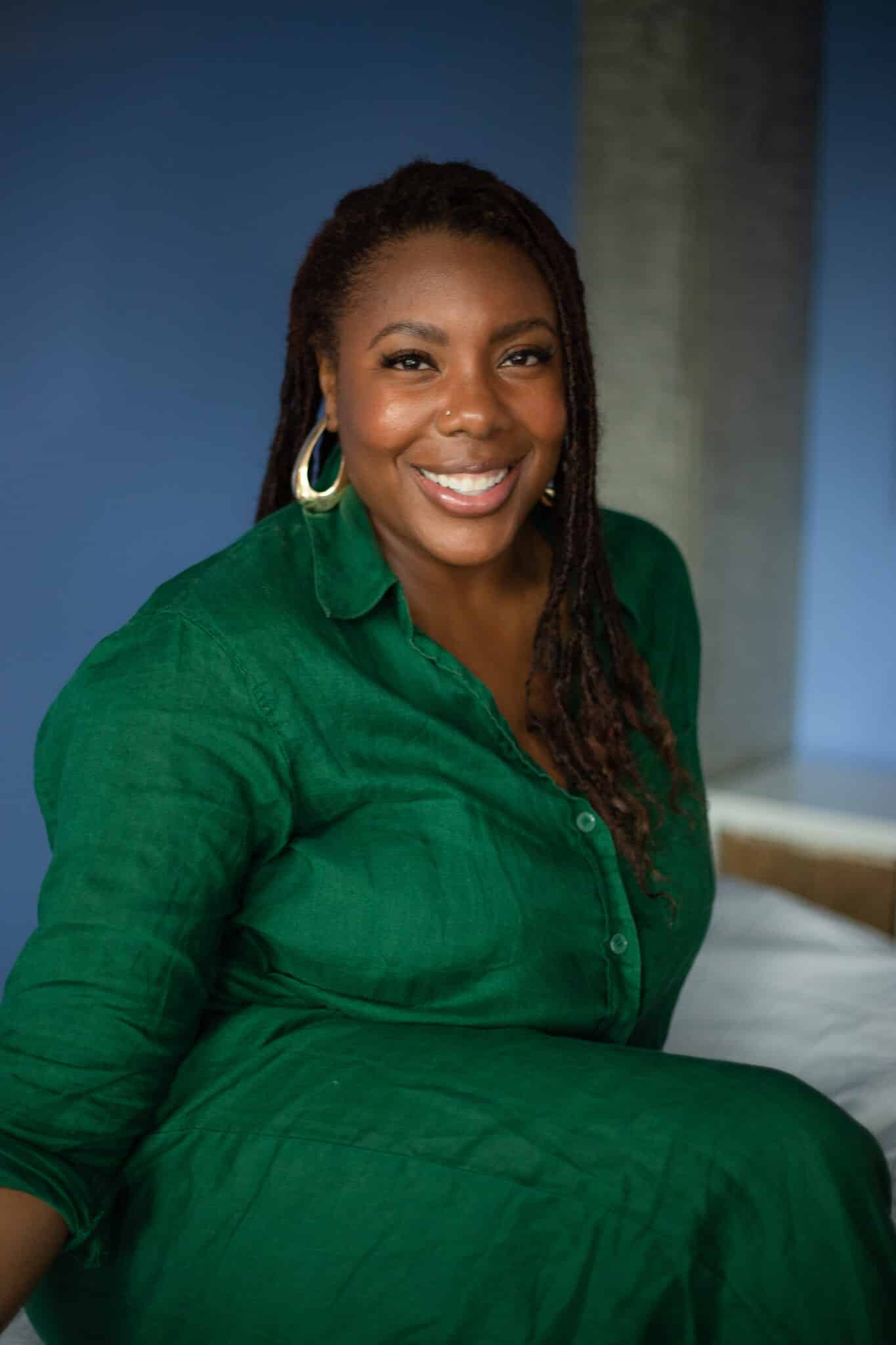

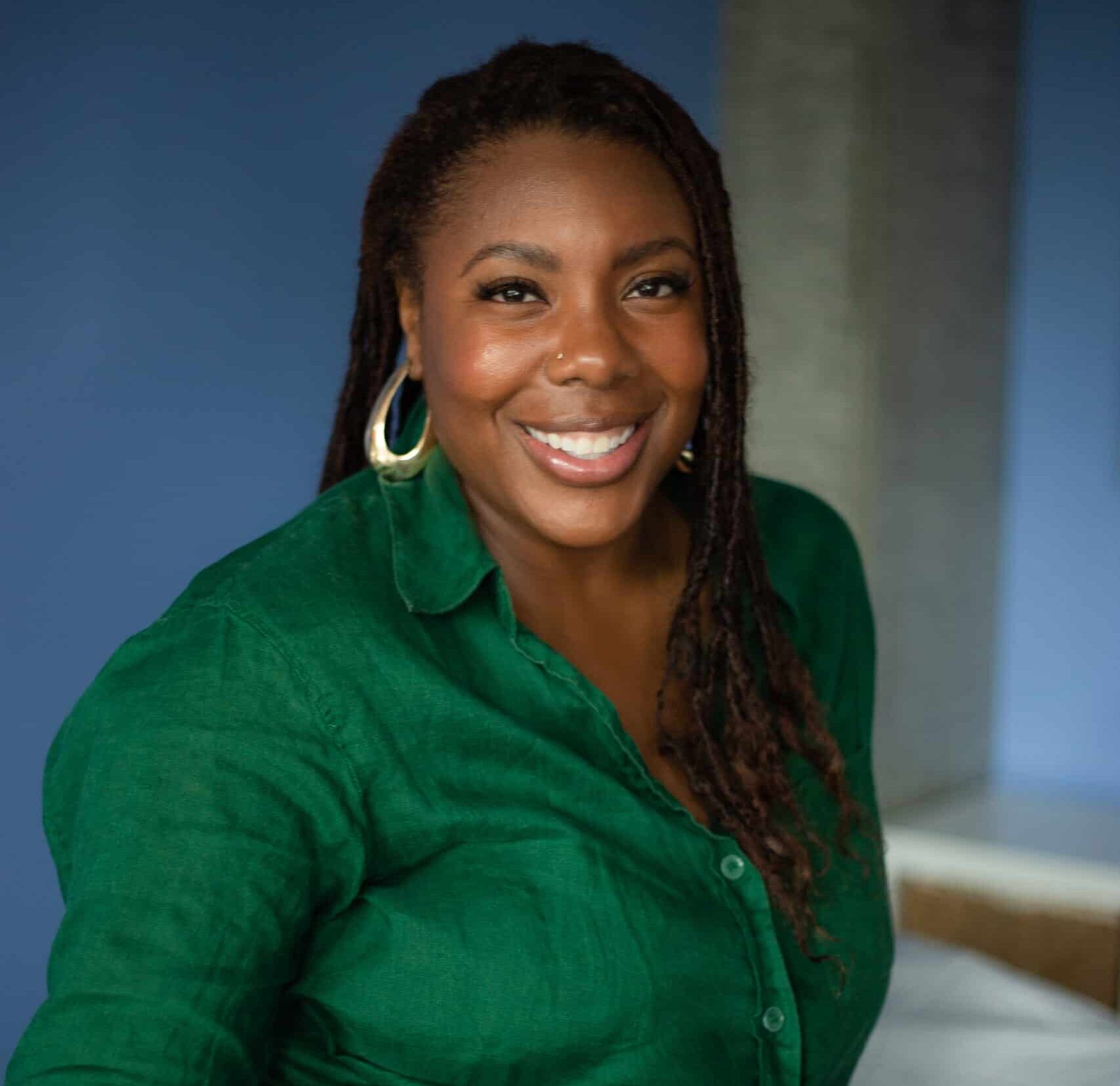
By Lauren Janus and Tiana Duncan, guest contributor
When Bill and Holly Marklyn first reached out to Phīla in 2018 seeking help to develop and execute their philanthropy strategy, they had a few clear principles in mind.
They did not want to replicate the top-down power dynamics of traditional philanthropy by establishing their own foundation and picking and choosing among grantees. They wanted to advance racial and gender equity in Washington State. And they wanted to shift decision-making power over their philanthropic dollars to members of the communities they wanted to support.
The result was the Share Fund, which we were proud to help the Marklyns design and eventually launch in 2021. Since then the Share Fund has distributed more than $3.5 million and is preparing to give out another $1.5 million later this year. Our team continues to support many aspects of the Share Fund’s operations and it is among our most gratifying projects.
True to the Marklyns’ original intent, the Share Fund is a leader in trust-based, participatory grantmaking. A centerpiece of the Share Fund’s approach is its seven-member Funding Committee, which is made up of BIPOC community members with expertise in gender and racial justice who award all of the Fund’s grants.
I recently spoke to Tiana Duncan, one of the Funding Committee’s newest members, to hear how things are going as the Share Fund gears up to make its next round of funding awards this fall.
Here are some of the highlights from our conversation.
Lauren: How did you learn about the Share Fund?
Tiana: I just found out about the Share Fund in October 2025, after I put on a movement and sound healing workshop for a philanthropy convening that Phīla supports.
The next month I received an e-mail from Paige Woods at Phīla saying I had been recommended as a potential Funding Committee member for the Share Fund, and we kind of took it from there.
So it wasn’t something on my radar, but it was something that I was excited to discover existed.
Lauren: What motivated you to join the Funding Committee?
Tiana: What made me say yes is that the Share Fund is not a business concept or a funding concept that I had ever come across before.
I had also just come out of an experience as a recipient of an experimental reparation and relational repair program [the Reparative Action Experiment for Entrepreneurs], and the Share Fund felt like a perfect opportunity to continue to give back and learn about additional wealth return models outside of the traditional giving or investment route.
As I dug into the principles and values of the Share Fund around wealth return, I was impressed by who they were bringing to the table. There were a number of Black women and members of indigenous communities, whose voices tend to be a lot quieter in these conversations.
So I decided this is something that I want to be a part of because it’s innovative, it’s rare, and why isn’t it more common?
Lauren: You mentioned that the Share Fund is a funding concept that you haven’t come across before. What stood out for you?
Tiana: I’m a business owner, so I’ve been on all sides of the equation from applying for grants to receiving donations from small-business support programs. That’s a long process and a lot of work, particularly if you don’t have a grant writer and don’t know the exact verbiage – and small business owners already have very little time to spare.
So it’s very innovative for the Share Fund to have a committee of Black and Brown people that can just go out and say to a business, a person, or nonprofit, ‘here’s some money to help your work that you didn’t even have to apply for.’”
Lauren: Is there anything else that resonated as you were learning more about the Share Fund?
Tiana: I come from the health and wellness space, so I think the Opportunity Fund is beautiful. Basically, it’s a pot of money that we allocate as committee members to organizations we’re funding. We encourage the first time awarded grantees to use the money to take care of themselves and their staff – on top of the money we provide to advance their work.
Lauren: How does the Funding Committee work?
Tiana: We have a two-hour meeting every month from February until November. We have a moderator (Vivian Phillips) who does a great job keeping us on track but also starts each meeting with a really thoughtful question to get us thinking outside the box to set the tone for the work ahead and to learn more about each other.
At the beginning of the year we find out how much money we’ll have to distribute, which this year is $1.5 million – the most in the Share Fund’s history. That includes about $200,000 that was already committed as part of multi-year grants. The balance gets distributed across the seven of us on the Funding Committee to decide what to support.
We also look at data that shows us how the Share Fund grants have been distributed geographically across all of the counties in Washington State in the past, and also what issues have received the most support, such as youth development or the arts.
Lauren: How much do Funding Committee members influence one another, and how are the conversations?
Tiana: Of all the groups I’ve been a part of, this has been one of the most enjoyable because everything is about collaboration and we are very open to listening to one another. Everyone wants to be seen, everyone wants to be heard, while coming to a decision.
Something I plan to bring up in our next committee meeting is to look at counties in Washington that have never received support from the Share Fund, and consider whether that should change.
The same goes for issues. Topics like LGBTQIA rights, maternal health, reproductive rights, and mental health have tended to be on the lower end of our support, and maybe we need to do more given- especially now.
Lauren: On that point, the national political climate has become challenging – to say the least – for advancing racial and gender justice, which are the top priorities of the Share Fund. Given that background, has there been any hesitation by the Funding Committee to continue supporting those issues?
I like to watch people’s body language, and I don’t see or sense that anyone is scared to say what they need to say or hesitant to put more money behind [racial and gender justice.]
I think we all understand the vital space we’re currently in at the moment, and everyone is still gung-ho about what needs to be done. We’re all asking ourselves, how can we continue to step up? How can we continue to be of more support?
Lauren: You recently had an opportunity to attend your first Share Fund convening in Yakima, on the eastern side of the state. How was that experience?
Tiana: It was a blessing to be around so many people who are still in the fight, still on the frontlines pushing for progress and still very joyful. That was really impactful.
I also learned about some amazing programs that I never knew existed, such as a program in Yakima (led by the Yakima Chapter of Washington Women Lawyers) to help indigenous women become lawyers so they can help represent their communities. It was a beautiful story to hear how the program has grown since it first received support from the Share Fund.
So, overall, it’s just very impactful and a real blessing to be a part of the Share Fund and to see how the work is unfolding.
Lauren Janus is the chief operating officer and director of Phīla Engaged Giving and the firm’s senior leader in the Midwest office. She has been working with the Marklyns since 2018 and supported the creation and launch of the Share Fund.
Tiana Duncan is the founder of Indigo Movement, a massage studio in South Seattle devoted to helping people reconnect with themselves through intentional bodywork, movement, and self-care.